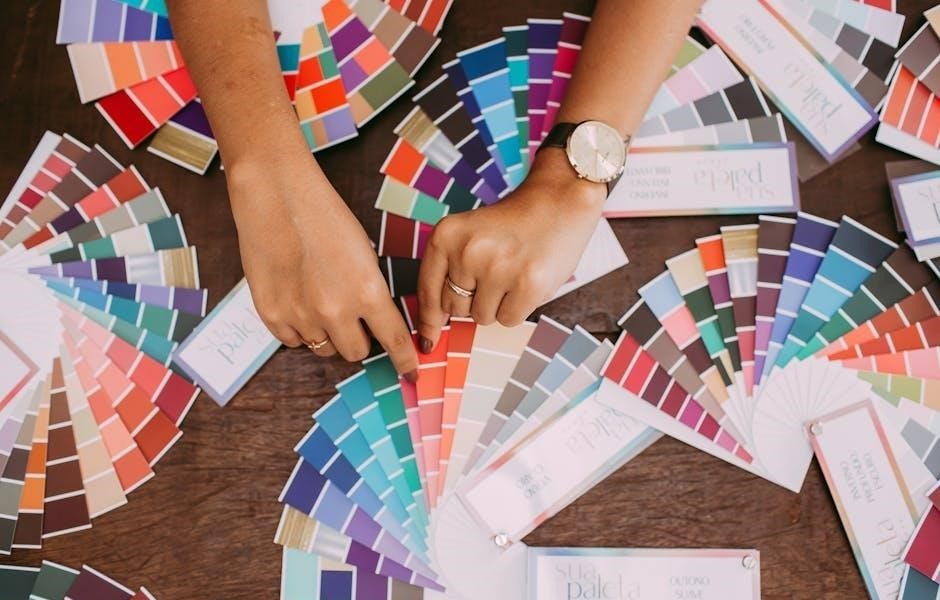
colors personality test pdf
Color personality tests offer a fascinating, quick route to self-discovery, mirroring our self-perception and providing unique insights into inherent traits and emotional landscapes.
These assessments, gaining traction in our digitally-driven era, promise profound understandings based simply on color preferences, offering a shortcut to introspection and self-awareness.
What are Color Psychology Tests?
Color psychology tests are intriguing assessments designed to reveal personality traits based on color preferences. They operate on the premise that our subconscious attraction to certain hues reflects deeper aspects of our character, emotional states, and even behavioral tendencies; These aren’t scientifically rigorous psychological evaluations, but rather tools for self-reflection and sparking conversation.
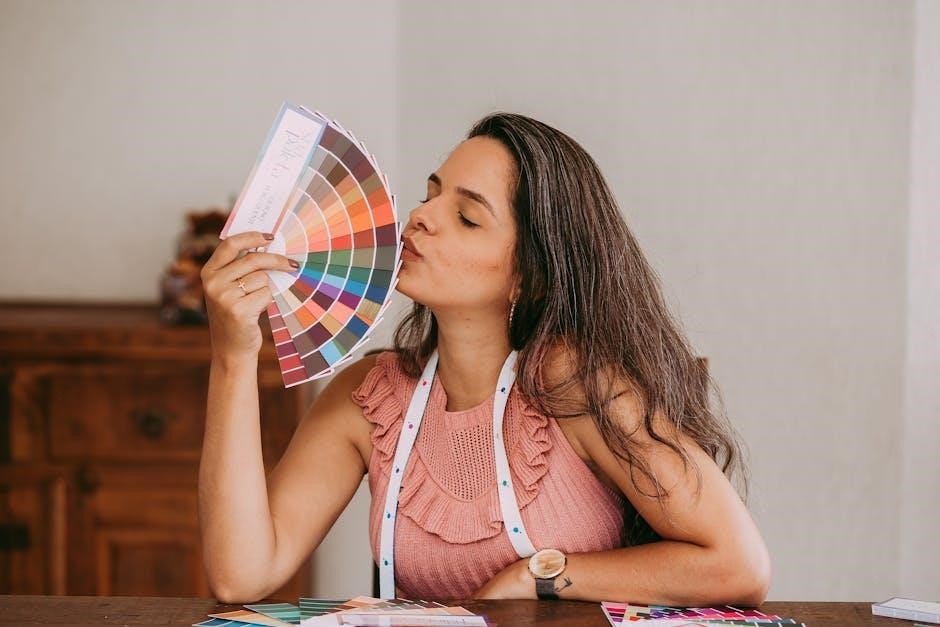
Often presented as simple questionnaires or visual selections – like choosing your favorite color from a palette – these tests interpret responses through established color symbolism. The appeal lies in their accessibility; they offer a quick, often free, and relatively non-intrusive way to gain a potentially insightful perspective on oneself; Many online resources provide these tests, sometimes in PDF format, promising to unlock hidden facets of your personality through the language of color.
The Appeal of Quick Personality Assessments
In today’s fast-paced world, the allure of quick self-assessment tools is undeniable. We crave instant insights, and personality tests, particularly those based on color, offer precisely that. They provide a seemingly effortless path to understanding ourselves, bypassing lengthy introspection or professional evaluations. The accessibility of these tests, often available as downloadable PDFs or interactive online quizzes, further fuels their popularity.
This appeal stems from a desire for self-discovery and a fascination with the idea that simple preferences – like a favorite color – can unlock hidden truths about our personalities. While not replacements for comprehensive psychological analysis, these tests serve as engaging conversation starters and offer a fun, low-stakes way to explore self-perception.
Brief History of Color Psychology
The roots of color psychology stretch back to the works of figures like Johann Wolfgang von Goethe, whose 1810 “Theory of Colours” explored the emotional effects of color, moving beyond purely scientific observation. However, its formalization as a field largely began in the 20th century with researchers examining color’s influence on human behavior. Early studies focused on physiological responses, like how red could increase heart rate.
The connection between color and personality, as seen in modern PDF-based tests, evolved later, drawing from these foundations and incorporating cultural symbolism. While not rigorously scientific, these tests gained traction alongside the broader self-help movement, offering accessible interpretations of inner traits through color preferences.
The Core Concept: Colors and Traits
Color-based personality assessments hinge on the idea that our chromatic inclinations reveal underlying psychological characteristics, offering a visual pathway to self-understanding.
How Colors are Linked to Personality
The connection between colors and personality stems from established color psychology principles, suggesting that hues evoke specific emotional and behavioral responses within us. These tests operate on the premise that our instinctive attraction to certain colors isn’t random; rather, it’s a subconscious reflection of our inner selves.
For instance, vibrant shades like red are often associated with energy, passion, and dominance, while calming blues symbolize trust, serenity, and stability. The interpretation isn’t rigid, but rather explores tendencies. Color preferences are believed to tap into deeply rooted associations, potentially influenced by both innate predispositions and learned cultural meanings.
Ultimately, these tests aim to decode the symbolic language of color, translating our chromatic choices into a profile of personality traits, emotional outlooks, and even potential career paths.
The Subjectivity of Color Association
While color psychology offers intriguing insights, it’s crucial to acknowledge the inherent subjectivity in color association. Personal experiences, cultural backgrounds, and individual perceptions significantly shape how we interpret and react to different hues. What one person perceives as calming, another might find melancholic.
Therefore, color personality tests shouldn’t be viewed as definitive pronouncements, but rather as tools for self-reflection and sparking conversation. The meaning assigned to a color isn’t universal; it’s filtered through a unique lens of personal history and societal conditioning.
Recognizing this subjectivity is vital when interpreting test results, avoiding rigid categorization, and embracing the nuanced complexity of human personality.

Limitations of Color-Based Personality Tests
Despite their appeal, color-based personality tests possess inherent limitations. They often oversimplify the multifaceted nature of human personality, reducing complex traits to broad color-coded categories. These tests frequently lack rigorous scientific validation, relying more on anecdotal evidence and generalized observations than empirical data.
Furthermore, the tests can be susceptible to biases, influenced by current mood or situational context. A temporary preference for a specific color doesn’t necessarily indicate a deeply ingrained personality trait.
It’s essential to approach results with a critical mindset, recognizing them as potential conversation starters rather than definitive personality assessments. Relying solely on these tests for self-understanding can be misleading.

Analyzing Specific Colors & Personalities
Delving into individual colors reveals potential personality correlations, from the power of red to the calmness of blue, offering glimpses into character and emotional tendencies.
Red: The Personality of Power and Passion
Red, a color brimming with energy, often signifies a personality characterized by power, passion, and a zest for life. Individuals drawn to red frequently possess a bold and assertive nature, unafraid to take charge and pursue their desires with unwavering determination.
This vibrant hue is linked to strong leadership qualities, a competitive spirit, and a natural inclination towards action. Those who favor red are typically energetic, courageous, and driven, often excelling in roles that demand confidence and initiative. However, a preference for red can also indicate a tendency towards impulsiveness or a fiery temper, suggesting a need for balance and self-control.
The association with passion extends beyond romantic love, encompassing a deep enthusiasm for hobbies, careers, and life in general. Red personalities are rarely indifferent; they embrace experiences fully and aren’t afraid to express their feelings.
Blue: The Personality of Trust and Calm
Blue, often associated with the sky and sea, typically represents personalities defined by trust, loyalty, and a serene calmness. Individuals who gravitate towards blue are often perceived as reliable, responsible, and deeply empathetic, fostering strong and lasting relationships.

This color embodies a need for harmony and peace, suggesting a preference for stability and a dislike of conflict. Blue personalities are often introspective, thoughtful, and possess a strong sense of integrity. They excel in roles requiring diplomacy, communication, and a calming presence.
However, a strong preference for blue can sometimes indicate a tendency towards reserve or a difficulty expressing emotions openly. Finding a balance between inner peace and outward expression is key for those aligned with this tranquil hue.
Green: The Personality of Growth and Harmony
Green, the color of nature, frequently signifies personalities centered around growth, balance, and harmonious relationships. Those drawn to green often possess a nurturing spirit, demonstrating empathy, compassion, and a deep connection to the natural world. They are typically reliable, down-to-earth, and seek stability in their lives.
Green personalities thrive in environments that promote cooperation and understanding, often acting as mediators and peacemakers. They value fairness, justice, and possess a strong moral compass. A love for green can also indicate a desire for personal growth and a commitment to continuous learning.
However, an overabundance of green preference might suggest a tendency towards possessiveness or a reluctance to embrace change. Finding equilibrium between nurturing others and prioritizing self-care is crucial.
Yellow: The Personality of Optimism and Energy
Yellow radiates positivity, often reflecting personalities brimming with optimism, energy, and intellectual curiosity. Individuals who favor yellow are typically cheerful, outgoing, and possess a natural ability to inspire and uplift those around them. They thrive on new experiences and enjoy stimulating conversations.
A preference for yellow suggests a quick-witted mind, a love for freedom, and a desire for self-expression. These individuals are often creative thinkers, brimming with innovative ideas and a playful spirit. They are natural communicators, easily connecting with others and spreading joy.
However, excessive yellow affinity might indicate impulsiveness or a tendency towards superficiality. Balancing enthusiasm with groundedness is key for sustained well-being.
Pink: The Personality of Love and Nurturing
Pink embodies gentleness, compassion, and a deep-seated nurturing instinct. Those drawn to pink often possess a loving, kind-hearted nature and prioritize harmony in their relationships. They are empathetic individuals, readily offering support and understanding to others, creating a comforting presence.
A fondness for pink suggests a romantic soul, a belief in unconditional love, and a desire for peaceful surroundings. These individuals are often artistic, sensitive, and appreciate beauty in all its forms. They value connection and strive to create a warm, inviting atmosphere.
However, an overabundance of pink preference might indicate naiveté or a tendency towards dependency. Finding a balance between selflessness and self-care is crucial.
Purple: The Personality of Creativity and Mystery
Purple resonates with imagination, spirituality, and a touch of enigmatic allure. Individuals favoring purple often possess a highly developed inner life, brimming with creativity and a unique perspective on the world. They are intuitive, sensitive, and often drawn to artistic expression or mystical pursuits.
A preference for purple suggests a thoughtful, independent spirit, valuing originality and non-conformity. These individuals are often visionary, possessing a strong sense of purpose and a desire to make a meaningful impact. They appreciate beauty, luxury, and the finer things in life.
However, excessive purple affinity might indicate escapism or a tendency towards impracticality. Grounding oneself in reality is essential.
Orange: The Personality of Enthusiasm and Sociability
Orange embodies warmth, energy, and a vibrant zest for life. Those drawn to orange are typically outgoing, sociable individuals who thrive in social settings. They radiate positivity, optimism, and a contagious enthusiasm that draws others to them. Orange personalities are often adventurous, spontaneous, and enjoy experiencing new things.
A fondness for orange suggests a playful, cheerful disposition, coupled with a genuine desire for connection and camaraderie. They are natural communicators, often possessing a knack for storytelling and a love of laughter. They embrace change and are generally resilient in the face of challenges.
However, an overabundance of orange preference could indicate a need for attention or a tendency towards superficiality.
Brown: The Personality of Stability and Groundedness
Brown represents earth, solidity, and a deep connection to nature. Individuals who favor brown are often perceived as reliable, practical, and down-to-earth. They value stability, security, and a sense of belonging. Brown personalities are typically responsible, dependable, and possess a strong work ethic.
A preference for brown suggests a grounded, realistic outlook on life, coupled with a quiet strength and unwavering loyalty. They are often comfortable in their own skin and possess a natural sense of calm. They appreciate simplicity and find comfort in routine and tradition.
However, an excessive inclination towards brown might indicate a resistance to change or a tendency towards pessimism.
Black: The Personality of Sophistication and Independence
Black embodies power, elegance, and a touch of mystery. Those drawn to black often project an image of sophistication, control, and independence. They are typically ambitious, driven, and possess a strong sense of self. Black personalities are often seen as enigmatic, reserved, and possessing a natural authority.
A fondness for black suggests a desire for refinement, a preference for quality over quantity, and a tendency towards introspection. They are often highly self-sufficient and comfortable forging their own path. They value privacy and may appear aloof or distant to others.
However, an overreliance on black could indicate a tendency towards negativity or a fear of vulnerability.
White: The Personality of Purity and Simplicity
White signifies innocence, cleanliness, and a fresh start. Individuals who gravitate towards white often possess a desire for simplicity, order, and peace. They are typically optimistic, idealistic, and strive for perfection in all aspects of their lives. A preference for white suggests a gentle, kind-hearted nature and a strong moral compass.
Those who favor white often appreciate minimalism and clarity, both in their surroundings and their thinking. They value honesty, integrity, and authenticity. They may be perceived as reserved or detached, but this often stems from their inner focus and desire for tranquility.
However, an excessive fondness for white could indicate a fear of imperfection or a tendency towards emotional detachment.

Color Combinations and Complex Personalities
Multiple color preferences reveal nuanced personalities; dominant colors showcase core traits, while secondary hues add depth and complexity to the overall psychological profile.
What Happens When You Like Multiple Colors?
Liking several colors isn’t a contradiction; rather, it signifies a multifaceted personality brimming with diverse traits and emotional ranges. Individuals rarely identify with a single hue exclusively, and a preference for multiple colors indicates a complex inner world.
Instead of diminishing the accuracy of a color personality assessment, multiple preferences enrich the interpretation. Each color contributes a unique layer to the overall profile, showcasing a broader spectrum of characteristics. For example, someone drawn to both blue and yellow might possess both calming trustworthiness and optimistic energy.
These combinations suggest adaptability and a capacity for varied emotional expression. Analyzing the interplay between favored colors provides a more holistic understanding than focusing on a single dominant shade, revealing a richer, more nuanced personality portrait.
Dominant vs. Secondary Color Preferences
When multiple colors resonate, discerning between dominant and secondary preferences is crucial for accurate interpretation. The dominant color typically represents core personality traits – the most consistently exhibited characteristics and deeply held values.
Secondary colors, while still significant, reflect more nuanced aspects of personality, potential strengths, or hidden desires. They might surface in specific situations or represent facets individuals are actively developing. A strong pull towards red, for instance, could signify a dominant drive for power, while a secondary liking for green suggests a desire for balance and growth.
Prioritizing colors based on intensity of attraction provides a more refined understanding, revealing the core self alongside complementary qualities and aspirational traits.
Interpreting Color Palettes
Analyzing a full color palette, rather than a single favorite hue, unlocks a more complex and accurate personality profile. Each color within the palette contributes to a richer understanding, revealing layers of character and internal dynamics.
Consider the interplay between colors – do they harmonize, creating a balanced persona, or clash, suggesting internal conflict? A palette dominated by cool tones (blues, greens) might indicate a calm, analytical nature, while splashes of warm colors (reds, oranges) suggest hidden passions or a desire for excitement.
The presence of black or white can also be telling, representing independence or purity respectively. Ultimately, interpreting color palettes requires holistic thinking, recognizing that personality is rarely defined by a single trait.

Finding and Using Color Personality Tests (PDFs)
Numerous online resources offer color personality tests in PDF format, promising self-discovery; however, evaluating their credibility is crucial for meaningful self-reflection and accurate insights.
Where to Find Reliable Color Personality Tests Online
Locating trustworthy color personality tests requires discerning navigation of the digital landscape. While a simple web search yields numerous results, not all are created equal. Reputable psychology websites, often affiliated with educational institutions or professional organizations, frequently host validated assessments or links to them.
Platforms dedicated to personality assessments, like those offering the Myers-Briggs or Enneagram, sometimes include color-based variations as supplementary tools. Be cautious of purely commercial sites promising instant, definitive results without any grounding in psychological principles. Look for tests that explain the rationale behind their interpretations, rather than simply assigning traits based on color choice.
PDF versions of tests can be found on various websites, but always prioritize sources with clear authorship and a demonstrable commitment to psychological accuracy. Checking for user reviews or testimonials can also provide valuable insights into a test’s reliability and usefulness.
Evaluating the Credibility of a Color Personality Test PDF
Assessing the validity of a color personality test PDF demands a critical eye. First, scrutinize the source – is it a recognized psychological organization, a respected academic institution, or a dubious, unverified website? Look for author credentials; a qualified psychologist or researcher lends significant weight to the test’s legitimacy.
Examine the test’s methodology. Does it offer a clear explanation of the link between colors and personality traits, or does it rely on vague generalizations? Beware of tests promising absolute, definitive results; personality is complex and nuanced.
Check for any disclaimers regarding the test’s limitations. A credible test will acknowledge its subjective nature and emphasize its use for self-reflection, not definitive labeling. Finally, cross-reference the interpretations with established color psychology principles to gauge consistency.
Using Test Results for Self-Reflection
Color personality test PDFs, while not definitive, serve as excellent catalysts for introspection. View the results not as rigid labels, but as potential insights into your tendencies and preferences. Consider how the described traits resonate with your self-perception and experiences – where do you see alignment, and where do you disagree?
Explore the reasons behind your color choices. What emotions or memories do specific colors evoke? How might these associations influence your behavior and interactions? Use the test as a springboard for identifying strengths to leverage and areas for potential growth.
Remember, self-awareness is a journey, and these tests offer a playful, accessible starting point. Don’t solely rely on the results; combine them with honest self-assessment and feedback from trusted sources.
The Cultural Significance of Colors
Color symbolism varies globally, impacting personality associations; understanding these nuances is crucial when interpreting color personality test PDFs across different cultural contexts.
Holi Festival and Color Meanings
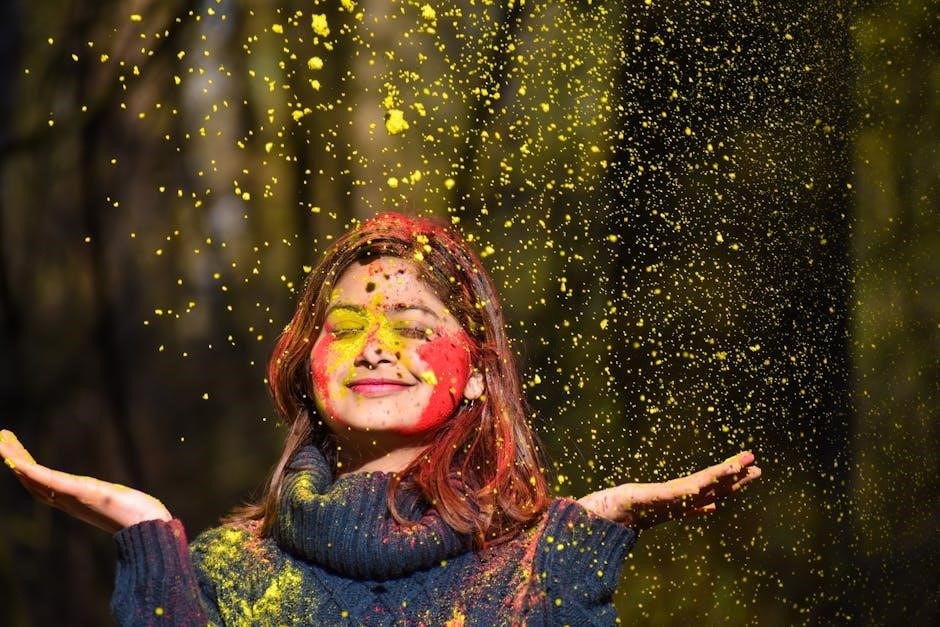
Holi, the vibrant Indian “festival of colors,” beautifully illustrates how deeply ingrained color symbolism is within cultures, offering a compelling parallel to color personality test PDFs.
Each hue thrown during Holi isn’t random; it represents specific emotions and character traits. For instance, red embodies energy and bravery, blue signifies calmness and devotion, while yellow represents optimism and happiness. Green symbolizes new beginnings and harmony.
This connection between color and personality echoes the core principle behind these tests – that our color preferences can reveal underlying aspects of our identity. Considering these cultural interpretations adds depth when analyzing results from a color personality test PDF, acknowledging that associations aren’t universally identical.
Holi’s celebration of identity, energy, and emotions demonstrates that color isn’t merely aesthetic; it’s a powerful language of the soul.
Color Symbolism Across Different Cultures
Color symbolism varies dramatically across the globe, a crucial consideration when interpreting results from a color personality test PDF. What one culture associates with positivity, another might perceive as negative, impacting the validity of generalized interpretations.
For example, white often represents purity and peace in Western cultures, but in many Eastern societies, it symbolizes mourning and death. Red, signifying passion and energy in many parts of the world, can represent good luck and prosperity in China.
Therefore, approaching color personality test PDFs requires cultural sensitivity. Recognizing these diverse meanings prevents misinterpretations and highlights the subjective nature of color association. Acknowledging these nuances enhances self-reflection and provides a more holistic understanding of personality insights.
Cultural context is paramount when decoding the language of color.
How Culture Impacts Color Preference and Personality Association
Cultural upbringing profoundly shapes our color preferences and the personality traits we associate with them, directly influencing the interpretation of a color personality test PDF. Early exposure to specific color symbolism within a society creates deeply ingrained psychological connections.
For instance, the vibrant colors celebrated during India’s Holi festival – each representing unique character traits – demonstrate a culturally specific link between color and personality. This contrasts with more subdued palettes favored in some Western contexts.
Consequently, a color personality test PDF designed with Western associations might yield inaccurate results when applied to individuals from different cultural backgrounds. Understanding these influences is vital for responsible self-assessment and avoiding generalizations. Cultural awareness enhances the value of these tests.
Acknowledging this impact is key to meaningful self-discovery.
Related Posts
sound innovations book 1 pdf
Download Sound Innovations Book 1 PDF now and unlock expert audio techniques, industry secrets, and creative sound design strategies to elevate your projects.

ansi z358.1 pdf
Need ANSI Z358.1 fall protection info? Download our FREE PDF guide! Learn about standards, equipment & keeping your team safe. Get the details now!
completing the square pdf worksheet
Struggling with algebra? Our free ‘completing the square’ PDF worksheet breaks it down! Practice problems, step-by-step solutions, & boost your math skills now.